September 4, 2026
Few things induce immediate panic like the sudden sputtering of an engine on a busy highway or the sickening click of a locked door when your keys are sitting plainly on the driver’s seat. Whether you are commuting to work, picking up the kids from school, or embarking on a long weekend road trip, automotive emergencies always seem to strike at the worst possible moments. If you find yourself stuck on the shoulder in Middletown, Ohio, the situation can feel overwhelming. Keeping a cool head and following deliberate steps can mean the difference between a minor inconvenience and a major safety hazard.
Knowing exactly what to do when your vehicle fails is a crucial part of being a responsible driver. From assessing your immediate safety to understanding when to call for professional roadside assistance, this guide will walk you through the precise steps you need to take when locked out or stranded.
Prioritize Immediate Safety
The very first seconds after a vehicle malfunction are the most critical. Your primary goal is not to diagnose the mechanical issue, but to remove yourself and your vehicle from the flow of traffic as safely as possible.
Maneuver to a Safe Location
If your car loses power, suffers a tire blowout, or begins to overheat, do not immediately slam on the brakes. Instead, take your foot off the accelerator, turn on your hazard lights, and gently guide your vehicle toward the right shoulder of the road. Aim for a flat surface away from curves or blind spots. If you are on a multi-lane highway and cannot safely cross to the right, pull over to the left shoulder, ensuring you are as far away from the active lanes as possible.
Make Your Vehicle Highly Visible
Once stopped, keep your hazard lights flashing. If you have an emergency kit with reflective triangles or road flares, deploy them—but only if you can do so safely without stepping into traffic. Place the first marker 50 feet behind your vehicle and the second one 100 feet back to give approaching drivers ample warning.
Decide Whether to Stay or Exit
Generally, the safest place is inside your locked vehicle with your seatbelt fastened, especially on a busy interstate. Only exit if you can do so on the side facing away from traffic (usually the passenger side) and if there is a safe barrier to stand behind. Never stand directly in front of or behind your disabled vehicle.
Assess the Situation Carefully
Once safe, take a breath and evaluate what happened. You do not need to be a master mechanic, but gathering basic information helps you communicate effectively when reaching out for help.
Identify the Symptoms
Did you hear a loud pop indicating a blown tire? Did the temperature gauge spike before the car stalled? Is steam billowing from under the hood? (Note: If you suspect a fire, evacuate immediately and dial 911). Or perhaps the issue is simpler—you stepped out for gas and accidentally locked the doors with the engine running.
Check Your Location
Before making any phone calls, figure out exactly where you are. Look for mile markers, exit signs, cross streets, or prominent landmarks. If using a smartphone, open your map application to get exact GPS coordinates. Telling a dispatcher "I am somewhere on I-75" significantly delays your rescue.
Determine Who to Call
When faced with a breakdown, drivers often hesitate, wondering if their situation warrants an emergency response or just a standard tow.
When to Call 911
If your vehicle is stuck in a live lane of traffic, if you are involved in a collision with injuries, or if you feel your physical safety is threatened in your current location, dial 911 immediately. Police can dispatch officers to block traffic and secure the scene.
When to Call for Professional Help
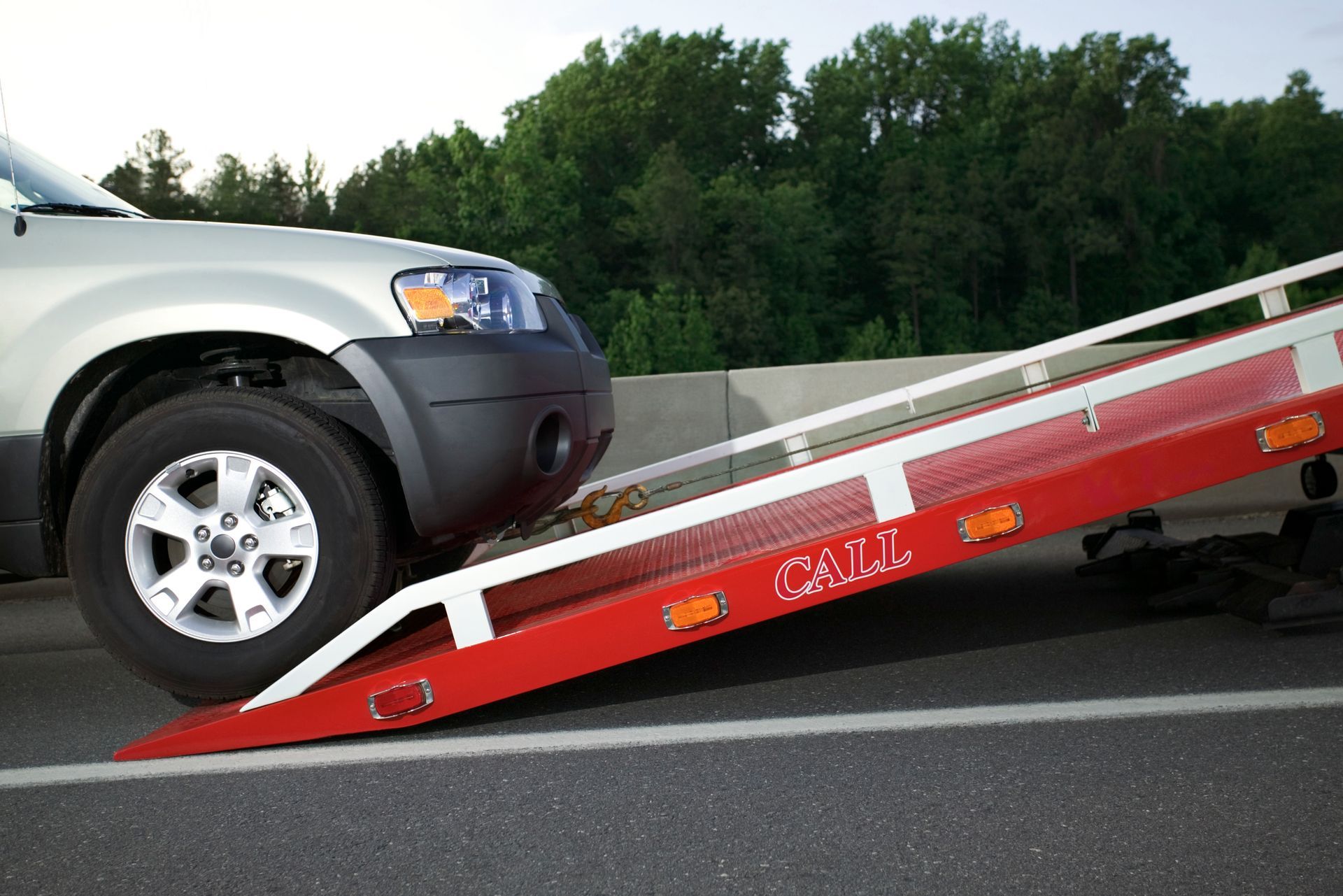
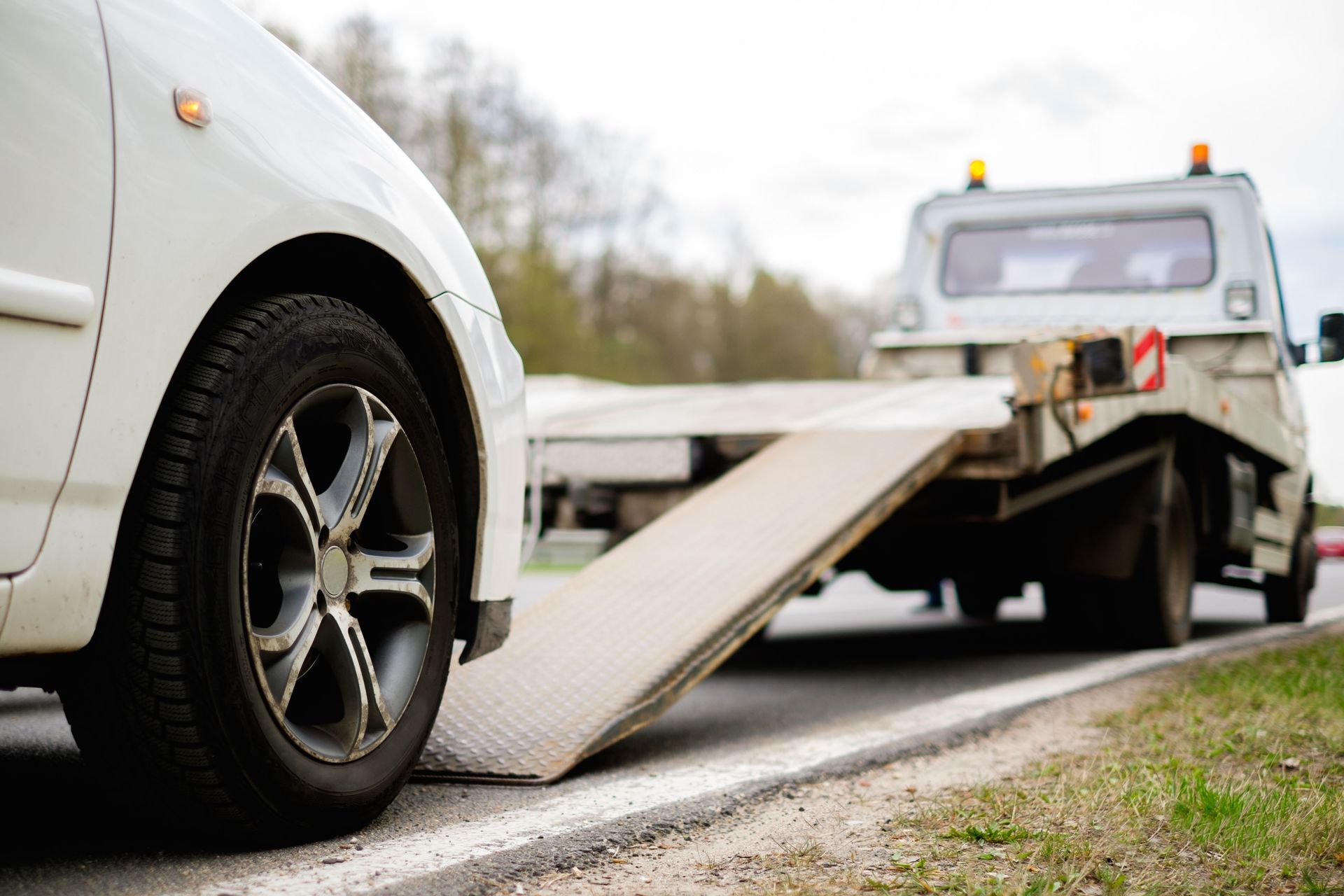
If you are safely on the shoulder with a mechanical failure, a flat tire, or a lockout, it is time to contact a towing professional. Many mistakenly believe tow trucks are only for hauling wrecked vehicles away from crash sites. In reality, modern towing companies offer comprehensive on-the-spot solutions. According to WifiTalents, roadside assistance drives 30% of standard towing calls. This means nearly a third of the time, a tow truck is dispatched not to haul a vehicle, but to fix a problem right there on the shoulder
.
Understand Common Scenarios Requiring Intervention
Automotive emergencies come in many forms, but a few usual suspects make up the vast majority of calls for help. Attempting DIY fixes on the side of a busy highway is incredibly dangerous, which is why leaning on experienced professionals is always the smartest move.
Automotive Lockouts
There is a distinct sinking feeling when you shut the door, hear the lock engage, and realize the keys are in the ignition. While older cars could sometimes be finessed with a wire hanger, modern vehicle locking mechanisms are complex and easily damaged. Attempting to force a lock can result in expensive damage to your weather stripping, window glass, or internal door components. Professional technicians carry specialized wedge and reach tools designed to safely bypass the lock without leaving a single scratch on your vehicle.
Dead Battery
You turn the key, and instead of a roaring engine, you hear rapid clicking. Dead batteries are common, particularly during the extreme temperature shifts of summer and winter. While keeping jumper cables in your trunk is a great practice, relying on passing strangers for a jump is risky. Incorrectly connecting jumper cables can short out your vehicle's sensitive electrical systems or cause the battery to spark. Calling for professional roadside assistance ensures the jump-start is performed using heavy-duty, voltage-regulated jump boxes that protect your car's computer modules.
Flat Tires and Blowouts
A flat tire usually comes courtesy of a stray nail or an unavoidable pothole. While you might know how to change a tire in the comfort of your driveway, doing it inches away from semi-trucks traveling at 70 miles per hour is a life-threatening scenario. A tow operator has the heavy-duty jacks, pneumatic tools, and high-visibility safety gear required to swap your tire quickly and safely, keeping you out of harm's way.
Fuel Loss
Pushing the fuel gauge a little too far hoping to make it to the next exit can easily leave you stranded. Walking down a highway shoulder with a gas can is dangerous and often illegal. A quick call for roadside assistance means a service vehicle delivers a few gallons of fuel directly to you, providing just enough gas to get you safely to the nearest station.
Prepare Before the Emergency Happens
The absolute best time to figure out what to do during a breakdown is long before you ever experience one. A little bit of proactive preparation drastically reduces the stress of being stranded.
First, keep your vehicle maintained. Regularly check your tire tread depth, battery health, and fluid levels. Second, assemble a dedicated emergency kit for your trunk containing first-aid supplies, a flashlight with extra batteries, bottled water, a warm blanket, and reflective hazard triangles.
Finally, save the contact information of a reputable local towing company directly into your phone. In the middle of a stressful event, you do not want to be frantically searching the internet with a dying cell phone battery. Knowing exactly who to call for roadside assistance provides profound peace of mind.
Being stranded on the side of the road is never how you plan to spend your day. It is an inherently stressful situation, but allowing panic to take over only increases the danger. By prioritizing physical safety, carefully assessing the mechanical issue, and making yourself highly visible, you take control of the environment.
Never risk your life trying to perform impromptu mechanical repairs on a busy highway. The safest, most efficient way to resolve an automotive emergency is to rely on trained experts who have the proper equipment and safety protocols in place. Whether you are dealing with a dead battery, a stubborn lock, or a completely immobilized vehicle, reaching out for professional roadside assistance ensures you get home safely. For drivers in Middletown and beyond, M & M Towing & Auto Recycling stands ready 24/7 to turn your roadside nightmare into a minor bump in the road.